
Housing Act 2004, s213
The 30-day deposit protection rule
If you rent on an assured shorthold tenancy in England or Wales, your landlord has exactly 30 calendar days from receiving your deposit to protect it and give you the Prescribed Information.
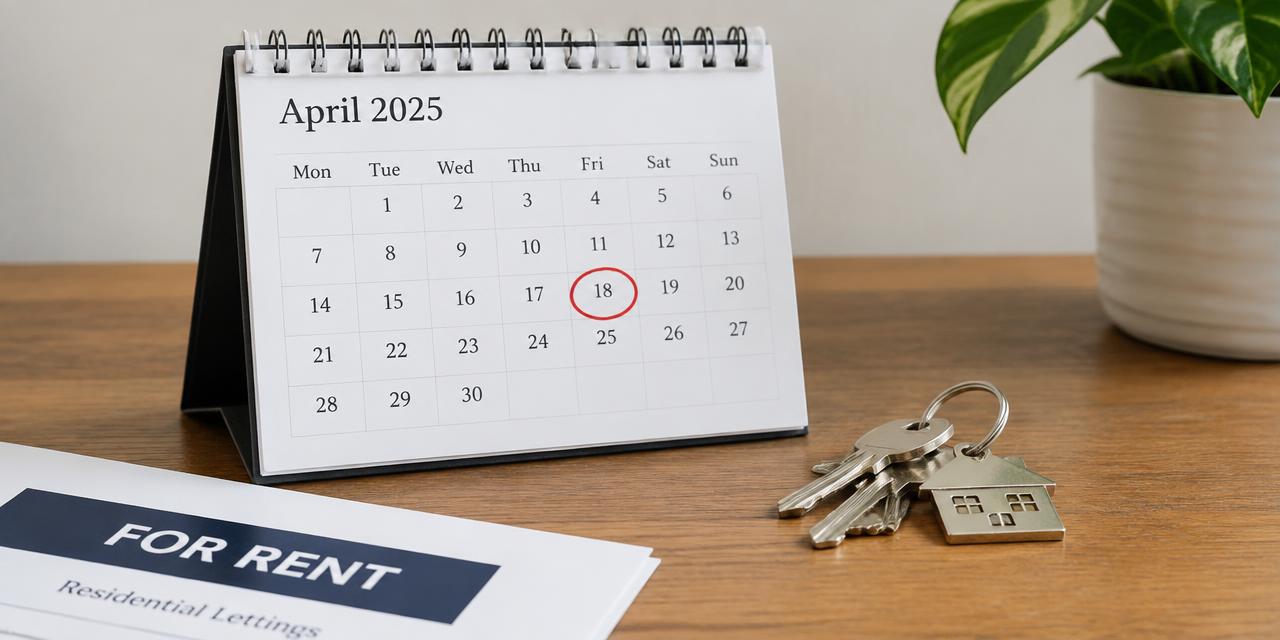
When does the 30 days start?
The clock starts on the day the landlord or agent receives the money — not the day the tenancy starts. If you paid a holding deposit that was converted into the tenancy deposit, the 30 days usually runs from the date of conversion.
The days are calendar days. Weekends and bank holidays count, and there is no extension for late banking.
What must happen within 30 days?
- The deposit must be registered with one of the three government-authorised schemes: DPS, TDS or mydeposits (s213(3)).
- The landlord must comply with the scheme's initial requirements.
- You (and anyone who paid on your behalf) must be given the Prescribed Information (s213(5)–(6)).
What if they were late?
Late protection is still a breach. Under s214 the court must award between one and three times the deposit, even if the deposit was protected later. Late protection does, however, generally allow the landlord to then serve a valid section 21 notice.
Who does it apply to?
Assured shorthold tenancies in England and Wales where the tenancy started on or after 6 April 2007. Lodgers, company lets and tenancies with rent above £100,000 a year are not covered.
Frequently asked questions
Does the 30-day rule include weekends?
Yes. It is 30 calendar days from receipt of the deposit.
Is a deposit protected on day 31 a breach?
Yes. Any protection after the 30th day is a breach of s213 and entitles you to claim compensation under s214.
Can my landlord fix the breach by protecting late?
Protecting late does not cancel your right to compensation, although it can reduce the amount a court awards within the 1x–3x range.
How much could you claim?
Use the free calculator to estimate your compensation and generate a letter before action.
Open the calculator